Redefining Accuracy, Efficiency, and Accessibility in Modern Surveying
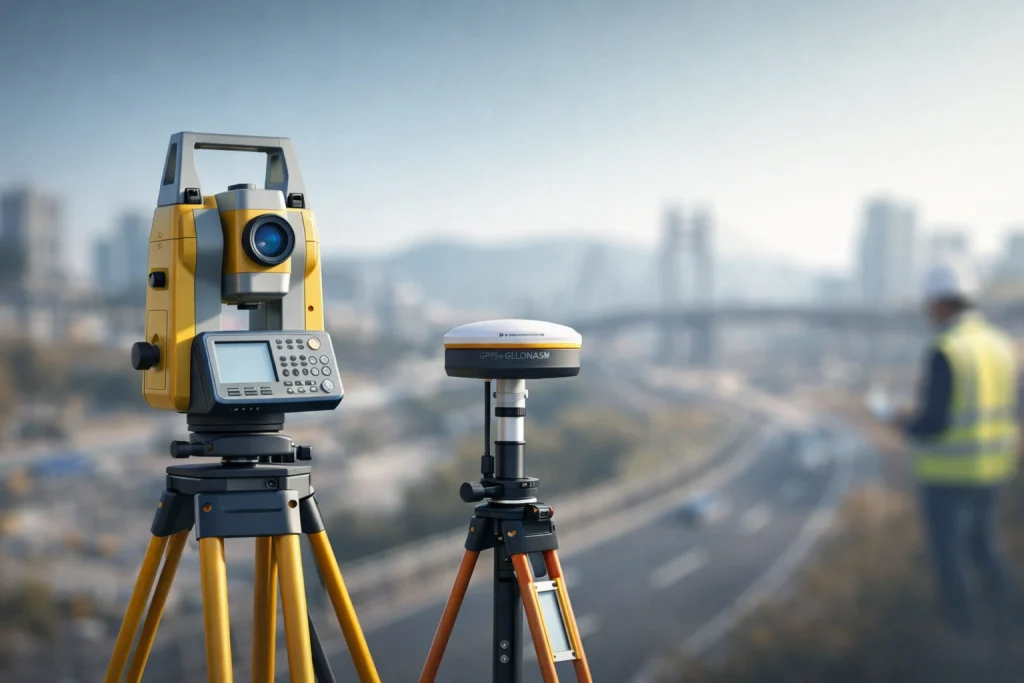
Surveying has always played a critical role in Nepal’s development—from land administration and infrastructure planning to hydropower and urban expansion. However, Nepal’s complex geography, remote locations, and demanding field conditions have historically made surveying a challenging task.
Faster Data Collection and Increased Productivity
One of the most significant impacts of GNSS technology is the speed at which data can be collected. Surveyors can now cover large areas in less time, minimizing fieldwork without compromising accuracy.
This increased productivity allows professionals to:
Complete projects faster
Reduce labor and operational costs
Meet tight project deadlines
Take on larger and more complex assignments
For infrastructure projects across Nepal, this efficiency is a major advantage.
“In nature, there are neither straight lines nor sharp edges. Buildings must therefore not have any angles or straight lines.”
Bryan Adams
Enabling Surveying in Remote and Mountainous Areas
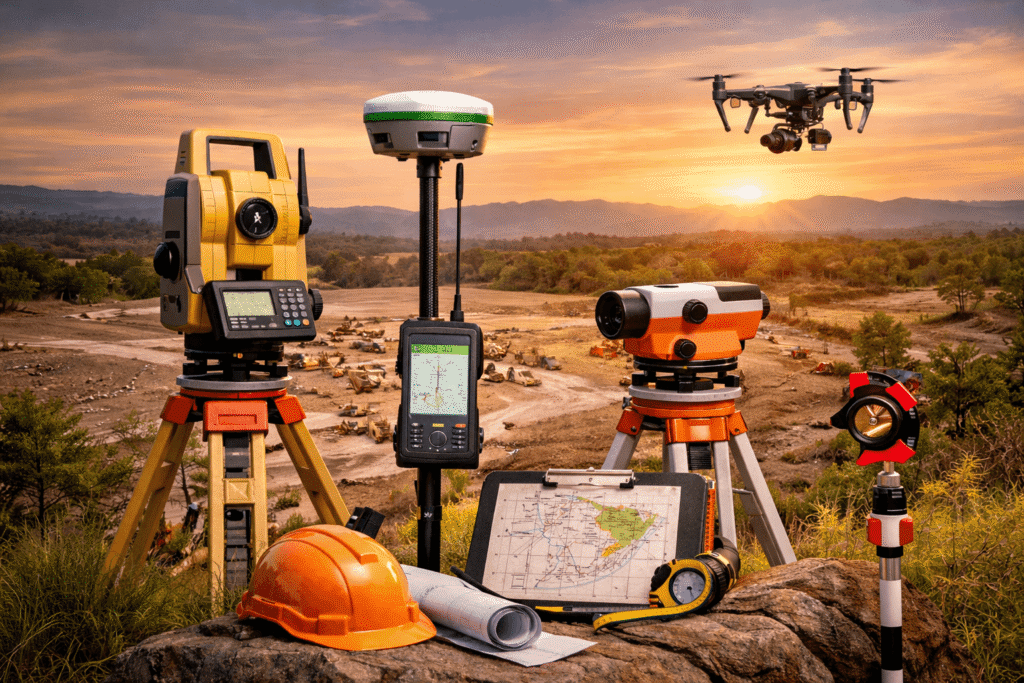
GNSS technology has significantly expanded surveying capabilities in remote regions of Nepal. Areas that were once difficult to survey due to limited access can now be covered more effectively.
This has direct benefits for:
Rural infrastructure development
National mapping initiatives
Disaster risk assessment
Environmental and resource management
By improving accessibility, GNSS supports balanced development across both urban and remote regions.